Winter 2017
This Month on More Mesa … Winter birds are here!
The rains have come, grasses are growing, rodents abound and the birds are here! During one recent western More Mesa bird watch, and over a trail length of only 1/3 of a mile, a single observer recorded 25 species of birds in an hour and a half! Among these were several raptors:

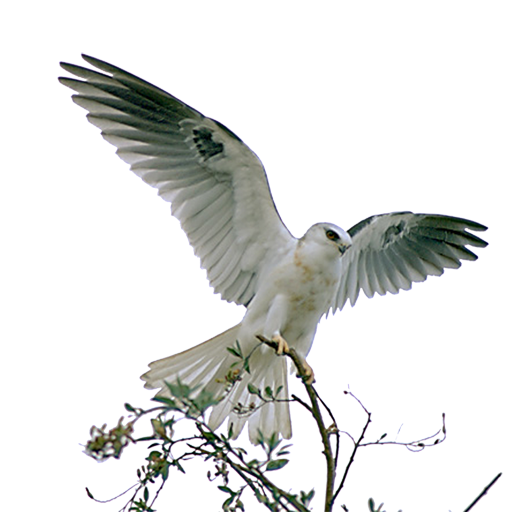
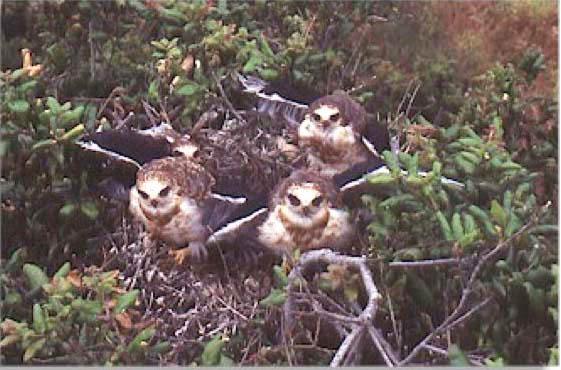
- White-tailed Kites … our signature bird and a fully protected species. A pair of kites was reported, a fact that bodes well for potential breeding.
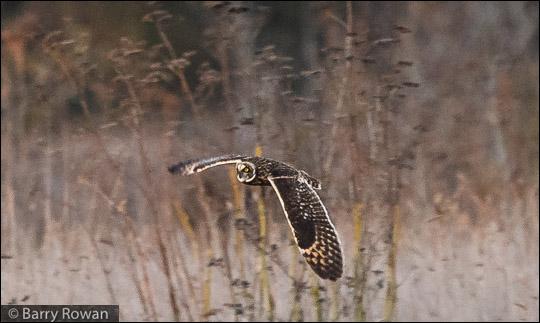
- Short-eared Owls … a pair of this species listed as “Special Concern” was also noted. Theses owls hunt at dusk and are rarely observed. The last sightings of this species were in 2012 and 2013.
- Burrowing Owl … very small species, also listed as “Special Concern”, and seen only in winter on More Mesa.
- Northern Harrier … common winter visitor and also of “Special Concern”.
- Loggerhead Shrike … another smaller raptor seen occasionally, also of “Special Concern”.
- Kestrel … seen earlier this year as well.
- Red-tailed Hawk … often seen in trees around Hope Ranch
These are all wonderful birds to watch. Visit More Mesa and experience them first hand!
Ask the President
Q: I noticed some digging in various areas out on More Mesa. What’s going on?
A: It’s the rainy season! As you all know, we have been eagerly awaiting the long anticipated rains we so sorely need. And while water is wonderful stuff, especially now, it needs to be kept off the trails. Why … because large volumes of fast flowing water can destroy trails. How can we prevent this? By constructing a “water bar”.

A water bar is a feature that is used to prevent erosion on steep or sloping trails. In the case of More Mesa, water bars are diagonal channels that have been shoveled across most of More Mesa’s major trails. These channels serve two purposes: they slow the speed of flowing water and then divert it into a larger drain basin. By constructing a series of water bars at intervals along a trail, the volume of water flowing down the whole trail is reduced. Without water bars, there is risk of flooding, washouts and accelerated trail degradation.
Now for the mystery of the water bars … Throughout past years some incredibly knowledgeable and caring person has been creating water bars all over More Mesa during the rainy season. MMPC does not know the identity of this person, but we sure would like this environmental hero to raise his or her hand to receive our heartfelt thanks! We owe you a tremendous debt of gratitude for this huge undertaking; and one that has been carried out with such a high degree of sensitivity and caring for More Mesa. THANK YOU!
You Can Help … Reconnect with More Mesa
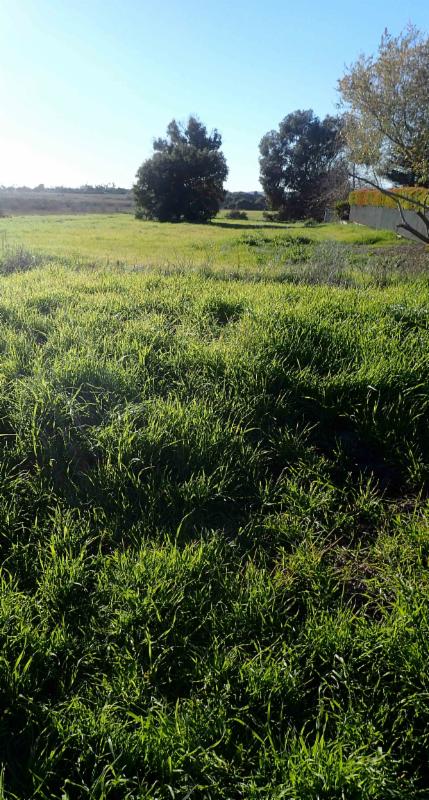
This month go out onto More Mesa …
- Look at its many habitats (grasses, trees, wetlands, scrub), the birds, and other people enjoying this magical place.
- Feel the breeze and the sun on your face.
- Listen for birds, animals and the sound of the wind.
- Smell the grasses and the freshness created by rain.
IT’S A PARTY OUT THERE!
Remembering Lynn
We are deeply saddened to report the recent passing of Lynn Watson, the creative force behind our award winning MMPC website. Since the beginning of 2004, the significant contributions made by Lynn Watson on behalf of the More Mesa Preservation Coalition have had an extremely positive impact on all our efforts. She had been the driving force behind the creation, maintenance and enhancement of our web site; acknowledged by the Santa Barbara community as an outstanding resource, providing both updates on issues concerning More Mesa, and as an excellent source of information on its plants and animals as well. Read more about Lynn here. She will be sadly missed.