July 2006

IT’S ALL ABOUT THE CHICKS!!

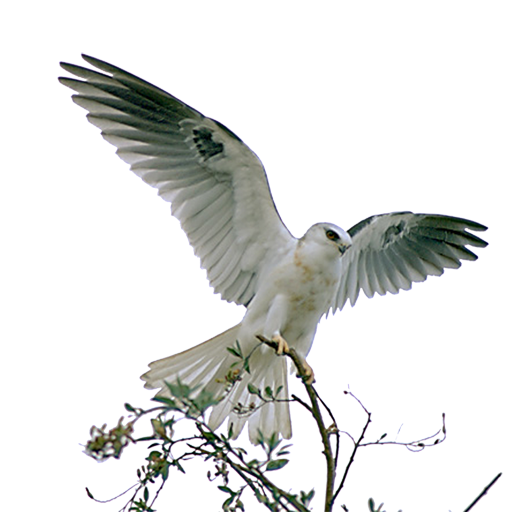
Update on White-tailed kites … In May we reported that the pair of white-tailed kites occupying the east nesting area on More Mesa had fledged three chicks. This eastern area on More Mesa, known as Oak Hollow, has consistently and persistently been occupied each year with breeding kites. It now appears they have fledged another brood of three, and these youngsters are already out and about flying and foraging.

At one of the other traditional nesting tree sites on western More Mesa, two chicks fledged in May. The parents of these chicks appear to have moved to central More Mesa for a possible second nesting site.

This brings the known and recorded total of white-tailed kite chicks this year to eight or possibly more.
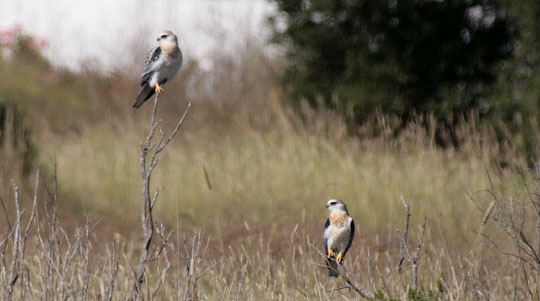
kites
Two of the three kites hatched from a second nest on East More Mesa. Photographed, July 9, 2006. 

Similar Posts

  • January 2008

    So many of our supporters have expressed a great desire to do something concrete to preserve More Mesa.  Now there is a chance to do just that!  We need a “big presence” at an upcoming County sponsored Workshop on the planned More Mesa Biological Resource Study. This study, recently discussed in the November 2007 News, has been requested…

  • July 2014

    Summer Butterflies: If you have not already discovered it, we encourage you to check out one of our web site’s many slide shows of photographs of Butterflies seen on More Mesa. Furthermore, there is a downloadable pdf Guide.  And, happily, at this time of year you can see more and more of these local beauties in the…

  • December 2008

    As has been our tradition at the close of the year, we would like to share some highlights of what has been happening on More Mesa in 2008, and the work of the MMPC. Bio Study:  Field work, for the Updated Biological Resources Study requested by the owner of More Mesa, began in May of…

  • September 2014

    California is in a state of “Extreme Drought”, with 2014 being the driest year since 1895, 119 years ago! But, in spite of this disastrous condition, one can still observe some native wildflowers in bloom on More Mesa. For example, Deerweed, which normally blooms from March to October, has been in flower constantly for more than a year. Heavily…

  • August 2005

    Newsletter Available for Download Earlier this year, our four page, full color Newsletter was distributed. It contained an update on conditions on and around More Mesa, and the activities of the MMPC. At that time, more than 800 members of the community interested in the preservation of More Mesa received the document. Since then, we…