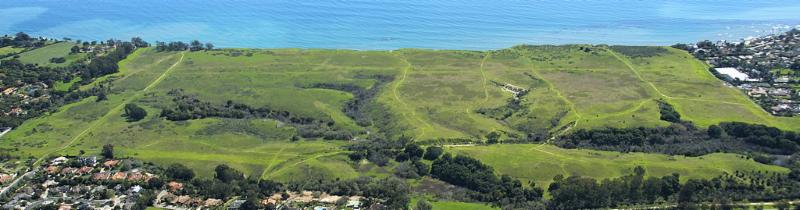
No one would dispute we are in very troubled times. But while we are “Sheltering in Place” we are definitely not “Under House Arrest”. So, if you are tired of fixating on the Ups (number of cases of the virus) and the Downs (the stock market), the More Mesa Preservation Coalition offers you … a Treasure Hunt.
Santa Barbara is a wondrous place to live, especially in Spring. And, with recent rains, we are having an absolutely beautiful bloom … one that should be seen. Add to this happy thought the consul that, for both mental and physical health, we should go outside. While we would love to encourage you to go to More Mesa, any number of public parks or pathways will do just as well. PLEASE MAKE SURE THAT YOU ARE 6 FEET AWAY FROM ANYONE ELSE … even though you may have to shout out “Look at this!” very loudly.
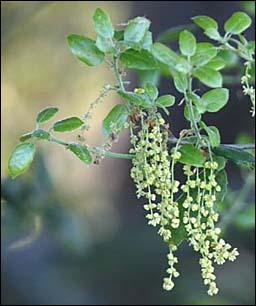
Today’s treasure is our incredible Coast Live Oak Trees that are currently in bloom. YES … in bloom. Oaks produce two types of flowers. First are the tiny yellow male flowers that cluster on long strands known as catkins. A catkin can contain 25-100 flowers and there can well be thousands of catkins in any given tree. The task of the male flower is to
Catkins
pollenate female flowers … preferably from another tree. Why does the tree produce so many male flowers? The answer is that pollination is done via wind power and not insects. Oaks are actually flowering plants; plants set apart from all others by a unique set of characteristics including their pollination technique and production of the acorn “fruit” that we see so many of in the fall.
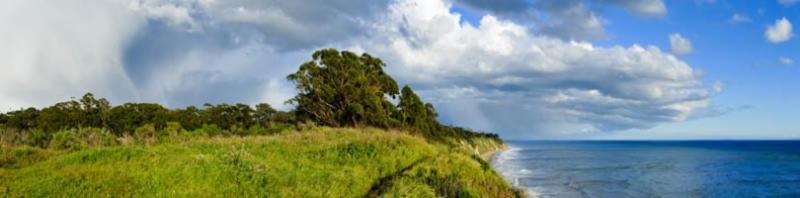
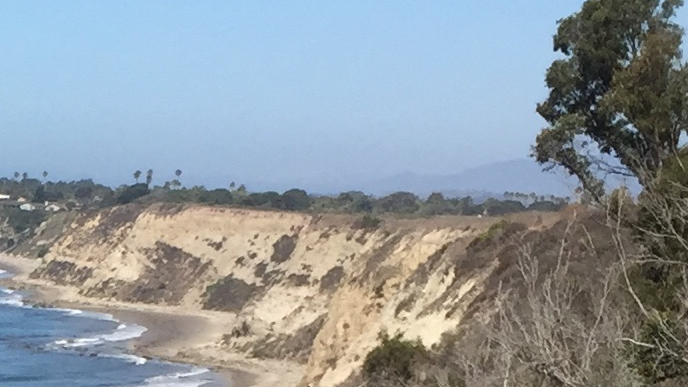
While Coast Live Oak Trees can be found on the northern edge of More Mesa, they can also be seen on Ellwood Mesa, San Marcos Foothills Park, Hope Ranch and many public parks and bikeways throughout the Goleta Valley. Go find this first unique treasure!
This Treasure is FAST: While internet searches may tell you that the Cheetah is the fastest animal on the planet, they are dead wrong. Today’s treasure can reach speeds faster than a moving Formula One race car. In fact, while in its spectacular dive, called a “stoop”, the Peregrine Falcon can reach speeds of up…
The Most Wonderful Treasure…. As the end of the Lockdown approaches, I have been musing about how to “wrap up” our Treasure Hunts. How does one describe the entirety of the treasures of More Mesa … those few that I wrote about, and the hundreds of others that exist in this magical and remarkable place….
WHAT HAPPENS WHEN HISTORY FALLS INTO THE SEA? It All Starts with a Tiny Cactus This Treasure Hunt is not about a gift from Mother Nature, but a story about a telephone line. It begins a hundred years ago with, surprisingly enough, a gift from Mother Nature, a tiny Prickly Pear Cactus. This little plant…
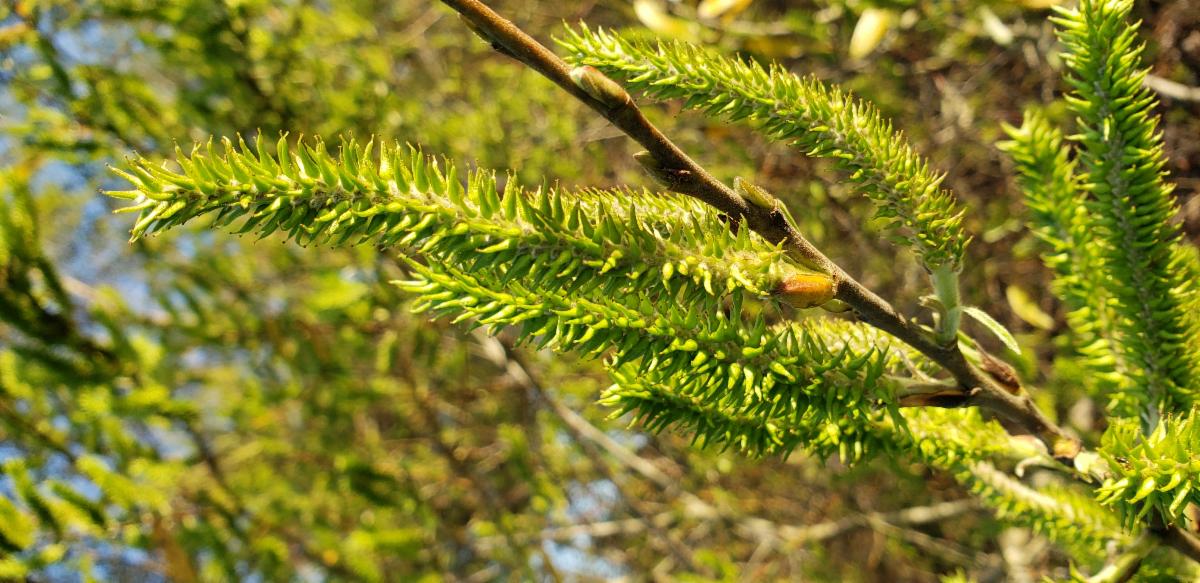
Willow and Water Go Together Meet the Family The Willow Family consists of over 400 different species of trees and shrubs of the Salix genus – a group of moisture-loving plants that are native to temperate and cold regions in the Northern Hemisphere. Depending on the species, willows range in size from towering giants of 90 feet…
Annual Audubon Christmas Bird Count: Some of you may have seen a recent article in the Montecito Journal on the 121st Annual Audubon Christmas Bird Count. This yearly winter event is North America’s longest-running citizen science bird project, with the data collected fueling Audubon’s work throughout the entire year. Data from the count is also…
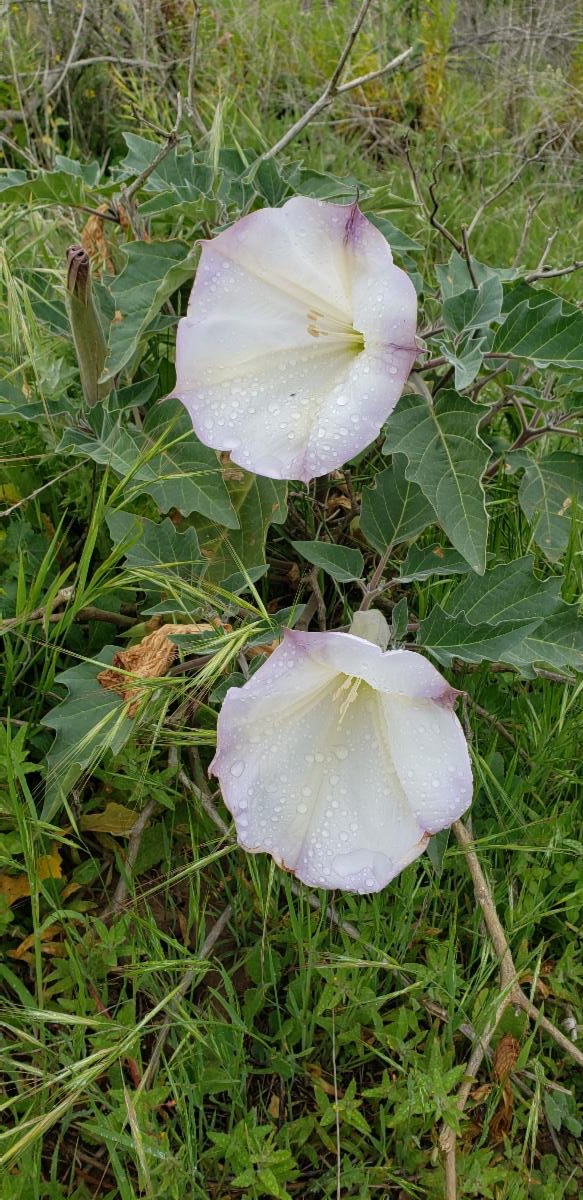
A Flower That Blooms for a Single Day … oops a Single Night! The plant we are featuring in this hunt, commonly known as Datura, and in the Nightshade family, is unusual in many ways. First it has several names, among them: Devil’s Trumpet, Devil’s Weed and Jimson Weed*. And, unlike the Miner’s Lettuce and Willow of…