February 2013
Another Great New Resource on Our Website
iNaturalist: From hikers to hunters, birders to beach-combers, the world is filled with naturalists, and many of us record what we find. iNaturalist is a way to share these records on line. For example, you might discover someone who finds beautiful wildflowers at your favorite birding spot, or learn about the birds you see on the way to work. If enough people recorded their observations, it would be like a living record of life on Earth that scientists and land managers could use to monitor changes in biodiversity, and that anyone could use to learn more about nature – quote from About iNaturalist.
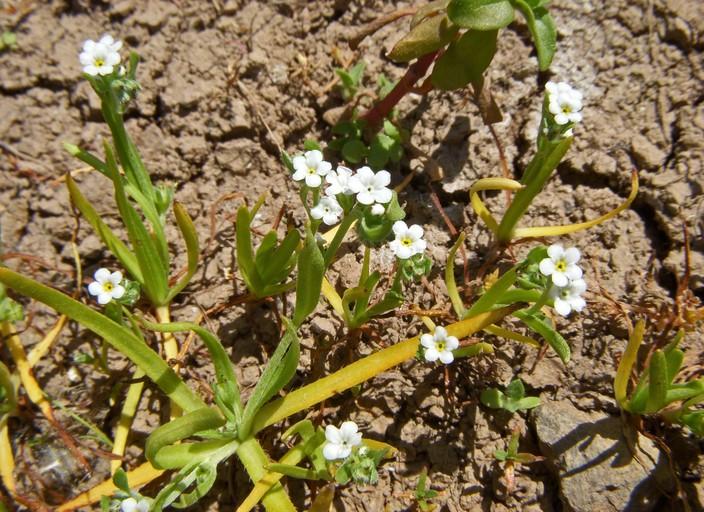
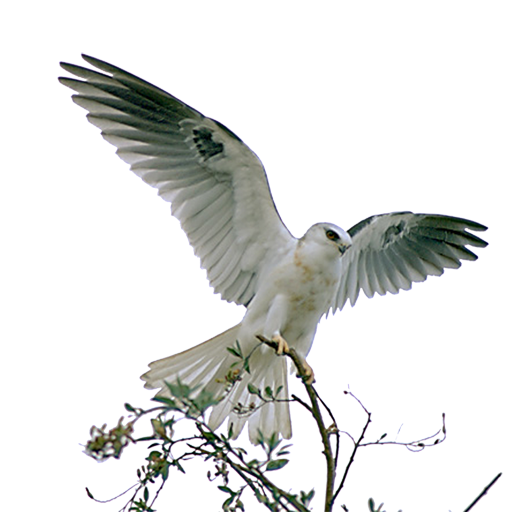
This month, we are pleased to introduce a new educational resource to our website, “More Mesa Natural Resources” on iNaturalist, created and organized by Lynn Watson. In addition to managing the MMPC web site, Lynn has captured most of the images and written some of the informational articles found on the site. In case that wasn’t keeping her busy enough, Lynn recently completed training with the very first California Naturalist Program on the Central Coast, and became a “Master California Naturalist”. And, as part of her “Capstone” project for the program, she uploaded, among hundreds of others from Santa Barbara county, approximately 130 More Mesa photo observations into the iNaturalist database. These observations may be viewed from the lower link on these pages: Plants > Photos , Animals > Bird Photos and Animals > Insect Photos.
It is even more exciting to know that any of our supporters can be part of this Citizen Scientist movement; one that is fast becoming a potent force in saving our planet. Whenever you report a sighting, via the “Sightings Button” on the home page, your information can optionally become (using a checkbox) part of the observations database for More Mesa on iNaturalist. You can make a difference!
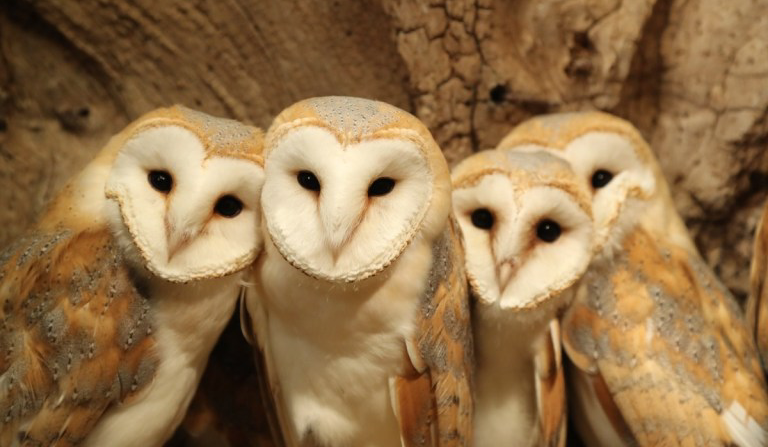
Christmas Bird Count: Seventy species of birds were recorded during the 2012 CBC on More Mesa (214 for all of Santa Barbara). Among them were some species that are not commonly seen; Short-eared Owl and Burrowing Owl. The full list can be found at Animals > CBC List.