|

July 2012

Change on our MMPC Web Site
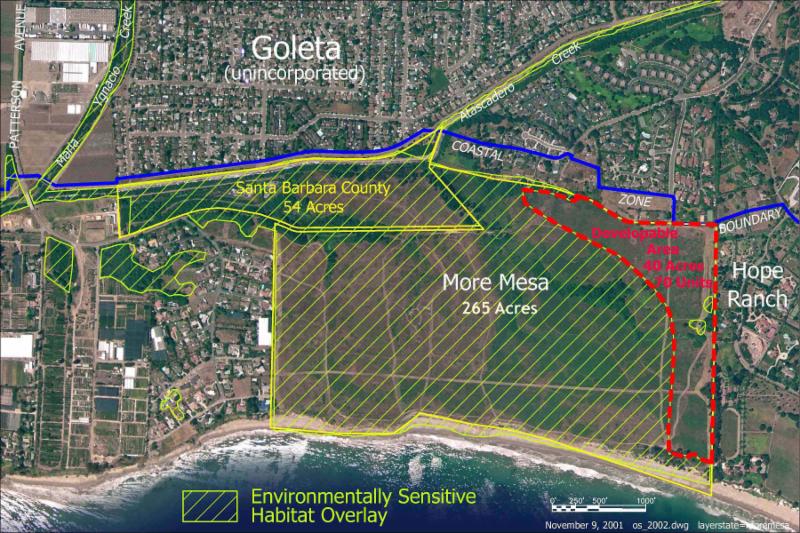
Note: As far as MMPC is aware, the sale of More Mesa to a Saudi developer in late 2012 seems to have marked an end to the attempts of the Hawk team to develop More Mesa.  Therefore all material related to this potential development has been removed from the MMPC web site.
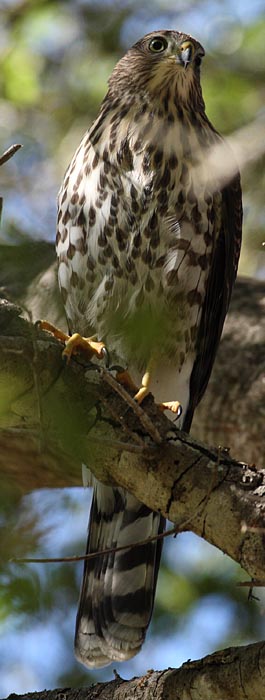
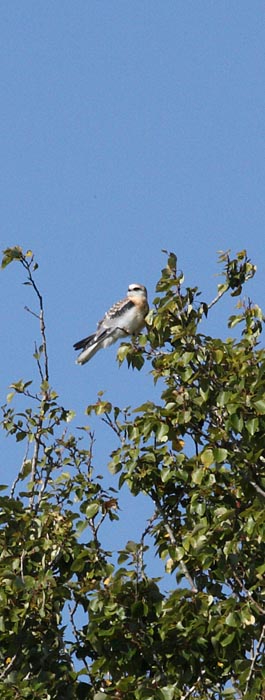
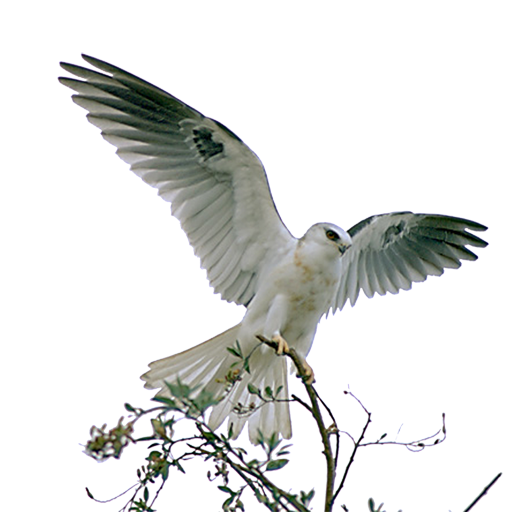
Cooper's HawkWTK
Young raptors (Cooper’s Hawk, White-tailed Kite) seen on More Mesa, July 1, 2012
Similar Posts

  • June 2012

    Babies, Babies, Babies East: In spite of the very high, and continuous, winds we have been experiencing over the past weeks and months, More Mesa’s eastern kite pair have already hatched, and fledged, three chicks!  A sightings report, filed through our web site, has confirmed that there are, indeed, three juveniles …  already out of…

  • November 2004

    Hacienda Vieja Project MORE MESA PRESERVATION COALITION FILES APPEAL: As reported in last month’s news, the Planning Commission approved a redesigned Hacienda Vieja Project with two of the four houses having two-stories. Because of our avowed commitment to protect all of More Mesa, including impacts to it from the periphery, we felt it necessary to…

  • | |

    February 2013

    Another Great New Resource on Our Website iNaturalist:  From hikers to hunters, birders to beach-combers, the world is filled with naturalists, and many of us record what we find. iNaturalist is a way to share these records on line. For example, you might discover someone who finds beautiful wildflowers at your favorite birding spot, or learn…

  • | |

    It’s All About the Birds and the Bees!

    Mother Nature Has Incredible Ability to Bounce Back! In our Spring Issue we waxed eloquent over the rains that had filled our prolific and very significant vernal pool. And further, those same rains also created an unusually effective ecological chain of events. The rains brought grasses … grasses in great profusion. These grasses then provided an abundance…

  • September 2016

    Time to Migrate The underlying reason for bird migration is survival: moving to areas with better food resources for the time of year. Birds move northward in spring, where they find abundant insects, flowering plants and in the less inhabited Northern Hemisphere, a higher number of nesting sites. However, as winter approaches and the availability…