|

October 2007

Birds
In addition to our permanent bird population, some fall migrants are stopping over on More Mesa, and many of our winter residents have already arrived.  In the past two weeks, the following birds have been observed on More Mesa:

  • Northern Harrier
  • Sharp-shinned Hawk
  • Cooper’s Hawk
  • Loggerhead Shrike
  • American Kestrel
  • Savannah Sparrow
  • Song Sparrow
  • White-crowned Sparrow
  • Common Yellowthroat
  • Yellow Warbler
  • Wilson’s Warbler
  • Blue Gray Gnatcatcher
  • Black-throated Gray Warbler
  • Cassin’s Kingbird
  • Say’s Phoebe
  • Wood Pewee
  • Western Meadowlark
  • Northern Flicker

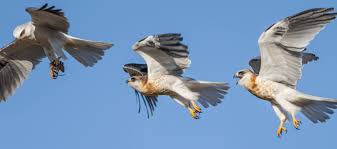
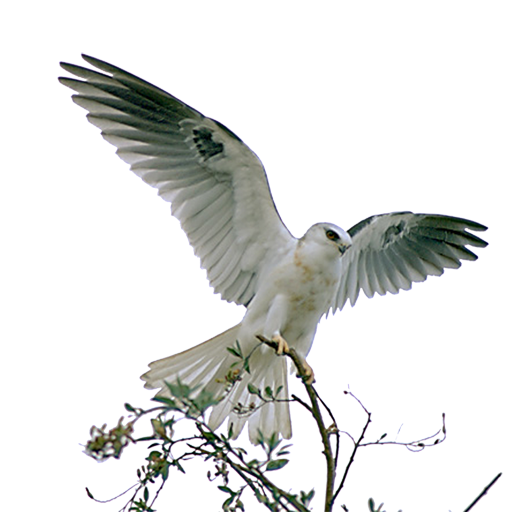
And, of course look for our ever present, beautiful White-tailed Kites.

Fire
Also, while out on the East side of More Mesa, notice how the burn area is already recovering. Shoots of many native plants (coyote bush, willow and oak) are making their appearance from the fire blackened earth … and after only 0.3 inches of rain last month!
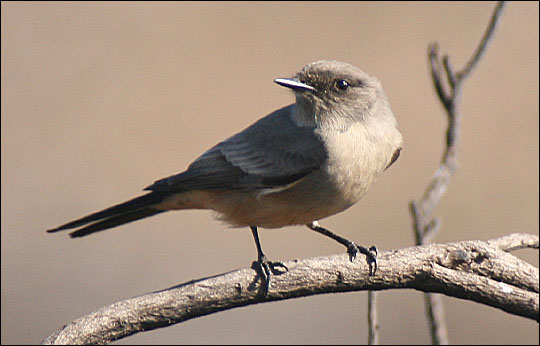
Say's Phoebe
Say’s Phoebe catching insects in the burned area, More Mesa, October 9, 2007.
Similar Posts

  • |

    September 2007

    In June of this year we reported that the permit submitted by developer, Jack Maxwell, to convert the “remodel” in the Hacienda Vieja project to a duplex, was approved by the Planning Commission.  This disappointing decision allowed what will be, in effect, a sixth residence in a very environmentally sensitive area.  Because MMPC believes it…

  • November 2007

    New Biological Study Sought Some History: As you all know, More Mesa is the last, large, undeveloped, open space in urban Santa Barbara.  This coastal treasure is known for its outstanding biological and visual resources, and has been a recreational haven for Santa Barbara residents for almost six decades.  Large developments on More Mesa were proposed,…

  • January 2007

    At the beginning of this new year, we have exciting news to report about another glorious open space in the Santa Barbara area; the San Marcos Foothills. For decades, the Santa Barbara Community, as well as and a host of environmental organizations, have worked consistently and diligently to protect this area of great scenic beauty…

  • September 2016

    Time to Migrate The underlying reason for bird migration is survival: moving to areas with better food resources for the time of year. Birds move northward in spring, where they find abundant insects, flowering plants and in the less inhabited Northern Hemisphere, a higher number of nesting sites. However, as winter approaches and the availability…