September 2010

It’s Quadruplets!
Last month we reported the presence of Northern Harrier Hawks on More Mesa … in summer … a most unusual occurrence.  And since early spring, we have also noticed some very atypical kite behavior.  That is, the historical “east” site, with its perching, hunting and nesting areas, has been nearly devoid of kites.  This was very puzzling, as the year-round use of “east” has been documented consistently for many decades.  And, while mating behavior had been observed in late spring at a central location, no confirmation of any fledglings had been reported.

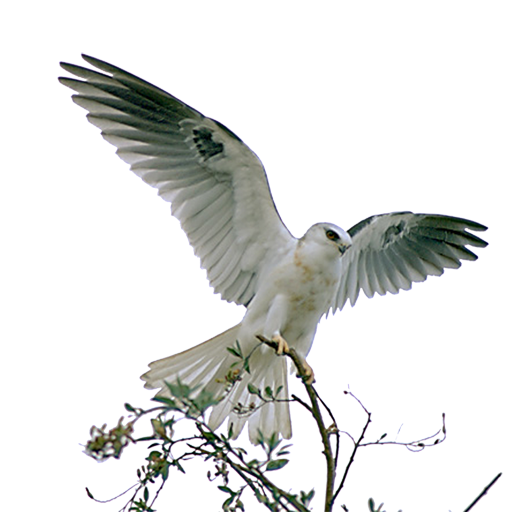
However, we are elated to announce that four chicks have fledged from a nest historical “west” kite site! Given the unusual weather conditions this summer (low temperatures, high winds and extensive fog), it may be that kite hatchings have been delayed this year. (To read more about kite nesting and care of fledgling, please go here.)

Sightings Reports
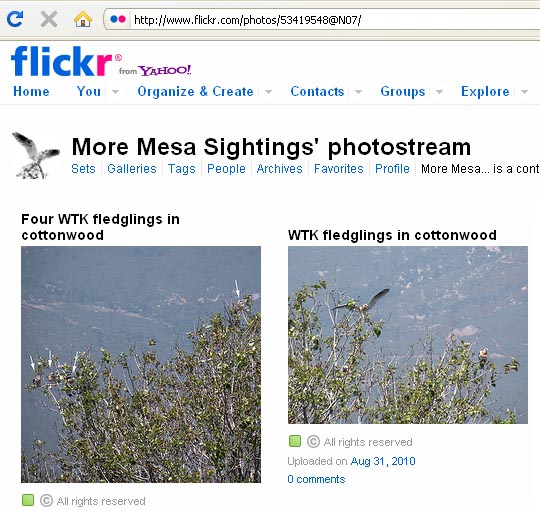
The fledglings reported above were sighted by several different MMPC supporters; birding enthusiasts who regularly file reports that constitute the large (albeit informal) data base we have amassed on the birds of More Mesa over these past ten years. Of late, we are doubly fortunate, since most of these great reports are being accompanied by photographic documentation.

Because we wanted to share these images with all our supporters, and share them in a timely fashion, we have set up a Flickr account to host images from sightings reports, from now on.  You may access this information here or by clicking on the image below. We would also like to remind everyone that any observer can effortlessly file a sightings report by going to the home page of this web site, and clicking on the button labeled “Birds, Animals and Rare Plant Sightings”.

Finally, many thanks to all of you who go out on More Mesa to observe its bird life, and then take the time to file reports.  This documentation adds immeasurably to both our scientific data base, and our enjoyment of the bird treasures in this wonderful area.
flickr site

Similar Posts

  • November 2010

    A Different Look At More Mesa … As you all know, we have been experiencing very atypical weather across the South Coast since late spring.  Strong winds, never ending fog, and drizzle are rarely such large components of our weather.  And, of late, heavy rain, with accompanying thunder and lighting have been added to these unusual…

  • June 2012

    Babies, Babies, Babies East: In spite of the very high, and continuous, winds we have been experiencing over the past weeks and months, More Mesa’s eastern kite pair have already hatched, and fledged, three chicks!  A sightings report, filed through our web site, has confirmed that there are, indeed, three juveniles …  already out of…

  • July 2010

    More Mesa Preservation Coalition Celebrates 10th Anniversary This month the More Mesa Preservation Coalition celebrates its 10th anniversary!  In this very eventful decade, we have grown from a tiny cadre of less than 10 concerned neighbors in the More Mesa area, to a supporter base of 1000 community members from all over Santa Barbara county,…

  • | |

    August 2010

    People The More Mesa Preservation Coalition is pleased to announce that Dan Gira has rejoined the Board of Directors of the MMPC.  And, in addition to being a Board member, Dan has agreed to assume the post of Vice-President as well.  Welcome back Dan! Birds Although we do not have our regular winter raptor visitors…

  • April 2010

    ANOTHER AWARD:  The More Mesa Handbook is once again in the limelight!  This time as the winner of the Association of Environmental Professionals (AEP) “2010 Outstanding Public Involvement/Education Program” for the entire state of California! The award was conferred jointly to AMEC – Earth and Environmental, and the More Mesa Preservation Coalition website. The AEP…

  • June 2010

    Russian KnapweedLast fall the More Mesa Preservation Coalition reported that we were cooperating with County Parks, Channel Islands Restoration and Santa Barbara’s Agricultural Commissioner, David Chang, in a process to remove an extremely harmful invasive, known as “Russian Knapweed”, from More Mesa. At the time of the first phase of the eradication process, there was…