November 2013

It’s Fall …
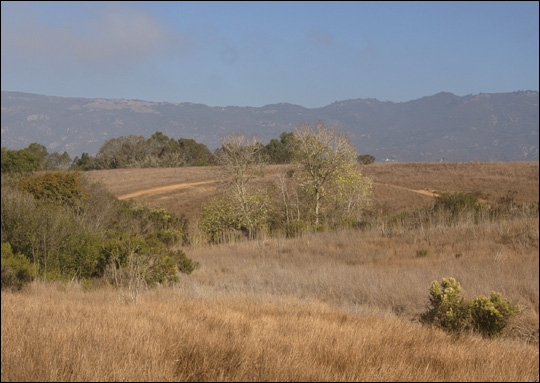
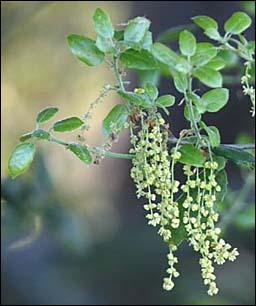
Folks who don’t live in our beautiful Santa Barbara area often make a big issue of the fact that they love the changing seasons, and note that we don’t have them here. We all know we do, but the changes are subtle and you have look more closely to be aware of them. For example, one of the family of our native trees, one much less represented on More Mesa, is the Black Cottonwood. And although they are relatively rare in the Goleta Valley, More Mesa can boast of three separate groves of Black Cottonwoods.

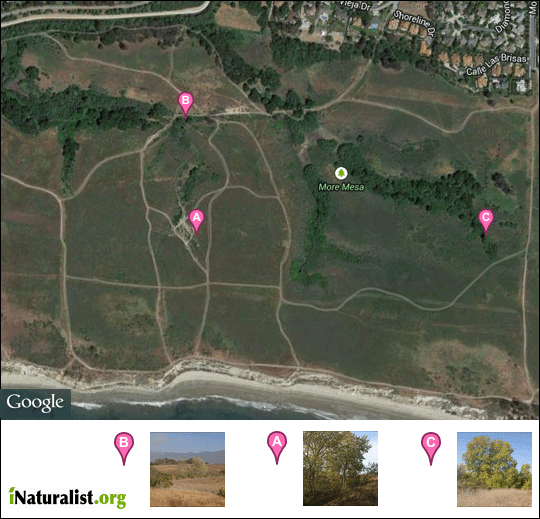
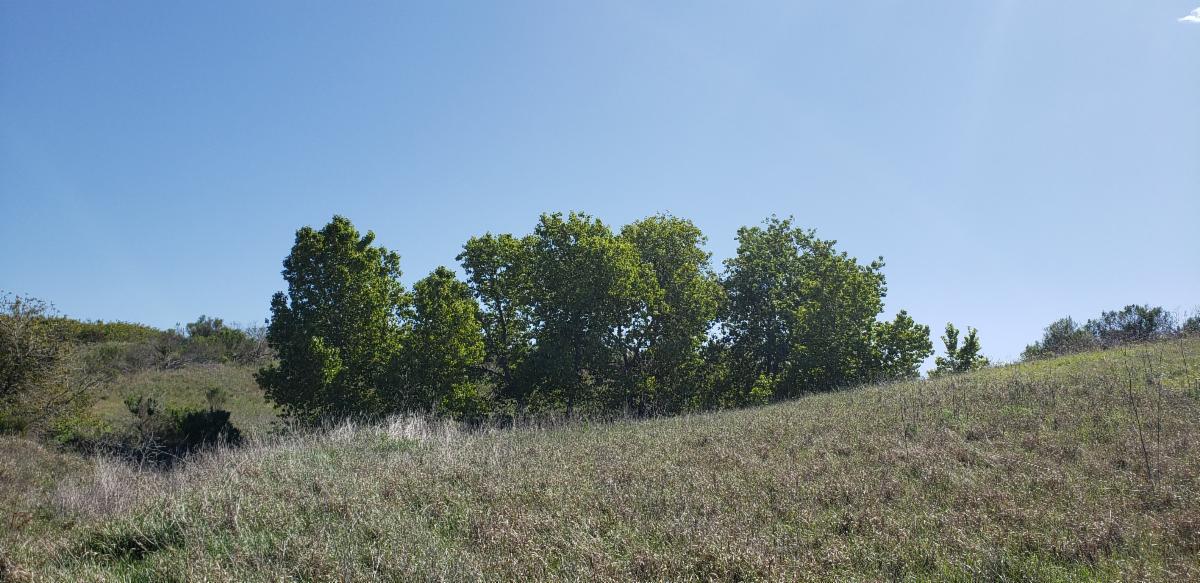
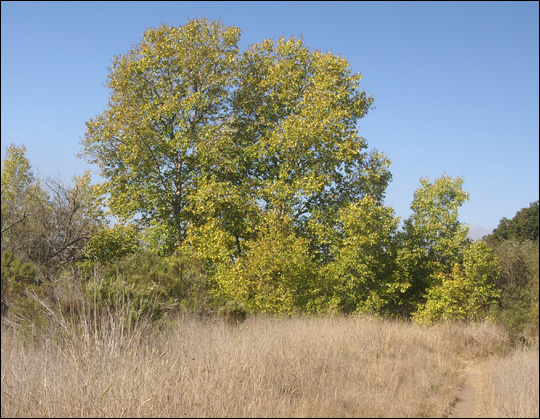
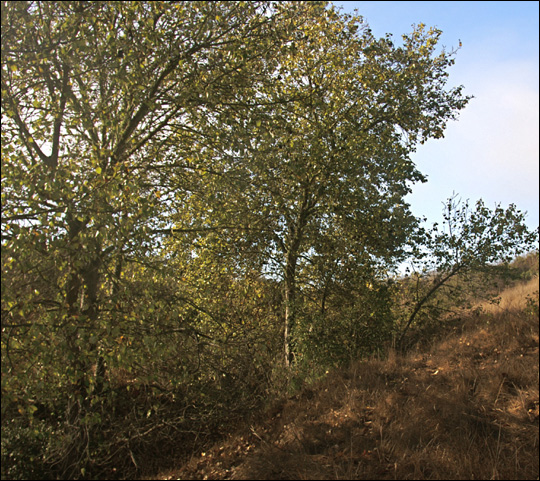
The most visible grove, on the east side, just south of the Cypress trees, has three very tall (65-70 feet), readily observable and spectacular examples of these deciduous trees. And if you look at the area surrounding these giants, you will see that there are also a sizeable number of younger trees, creating a delightful Cottonwood grove. A second grove with smaller, less noticeable trees is in one of the drainages in the middle of More Mesa and the third, very small grove is just west of the railroad cut.

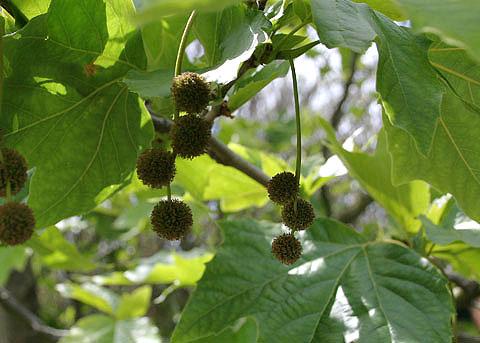
Now, in autumn, the round distinctive leaves of the Cottonwoods are turning yellow and beginning to drop. The trees will be bare throughout winter, with leaves reappearing again in late February or early March … our spring. Moreover, these seasonal changes (phenology) of cottonwoods on More Mesa are now being monitored and reported to Budburst. There are indeed seasons on More Mesa!

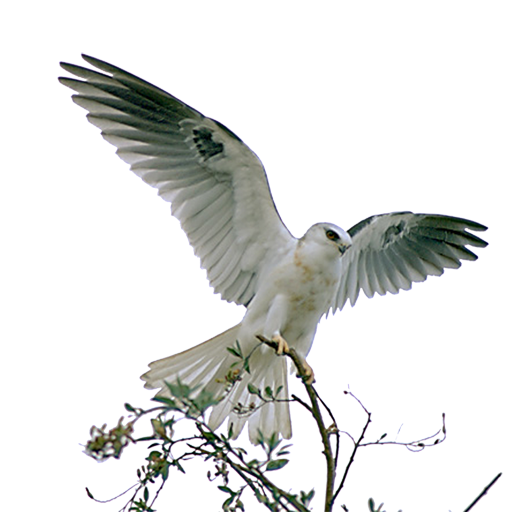
On More Mesa, cottonwoods provide habitat for many creatures including Nuttall’s Woodpecker. This woodpecker eats cottonwood buds in the spring. and also nests in self-excavated cavities in cottonwoods, as well as in other native trees on More Mesa.
Cottonwood 3

Cottonwood 2

cottonwood1

map

Similar Posts

  • January 2013

    As many of you may already know, More Mesa was sold to a Saudi investor in mid-December.  Obviously MMPC is disappointed that the seller offered the property to the community for $35 million, but subsequently sold to the new owner for $25 million.  However, we look forward to working with the new owner in a…

  • March 2013

    Knapweed … Going, Going, Gone Three times in past years, October 2009, June 2010 and June 2011 we have reported on MMPC’s participation in eradication of the noxious, invasive weed, Russian knapweed.  It appears to be GONE! In a report from the Agricultural Commissioner, David Chang, we are informed that he inspected the Flood Control Restoration Site on More Mesa,…

  • | |

    Living with the Lockdown – Treasure Hunt #9

    There are Trees…and Then There are “Trees” If trees had personalities, I would have to characterize the Tamarisk, of our last Treasure Hunt, as the personification of evil, and today’s Treasure Hunt, as the personification of good. The California Sycamore is beautiful and interesting…in a different way…and during every season of the year. Moreover, it…

  • May 2013

    Monthly Supporter Update The More Mesa Preservation Coalition (MMPC) is now more than 1100 supporters strong. However, we realize that, in this busy era, most people do not have the time to check our monthly news on the web site. And, because there is not an urgent threat apparent on the horizon, More Mesa is…

  • | |

    February 2013

    Another Great New Resource on Our Website iNaturalist:  From hikers to hunters, birders to beach-combers, the world is filled with naturalists, and many of us record what we find. iNaturalist is a way to share these records on line. For example, you might discover someone who finds beautiful wildflowers at your favorite birding spot, or learn…

  • |

    Living with the Lockdown – Treasure Hunt #3

    Willow and Water Go Together Meet the Family The Willow Family consists of over 400 different species of trees and shrubs of the Salix genus – a group of moisture-loving plants that are native to temperate and cold regions in the Northern Hemisphere. Depending on the species, willows range in size from towering giants of 90 feet…