
July 2015

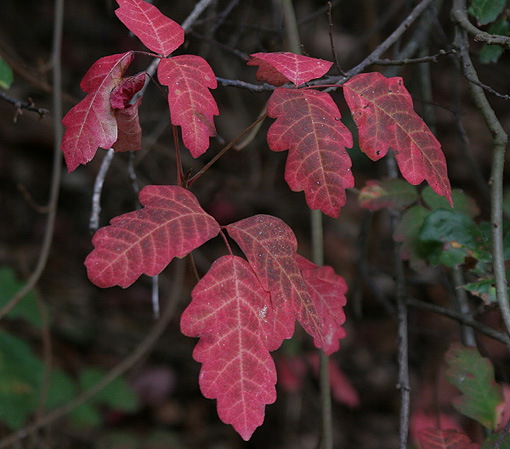
An irritating reminder … Yet another manifestation of the drought concerns poison oak; harbinger of itchy rashes. If you have been out on More Mesa you may have noticed that our abundant poison oak populations have come up in profusion this year, and in spite of little water. And you may also be aware that poison oak being deciduous, its leaves normally turn red and die in the fall. However in this fourth year of the drought, the leaves began to turn red in mid June and are already dropping. Because poison oak branches and stems are as dangerous as the leaves, but harder to notice without their famous “Leaves of three, let them be” reminder, all who visit More Mesa need to exercise special caution much earlier in the season … like now!

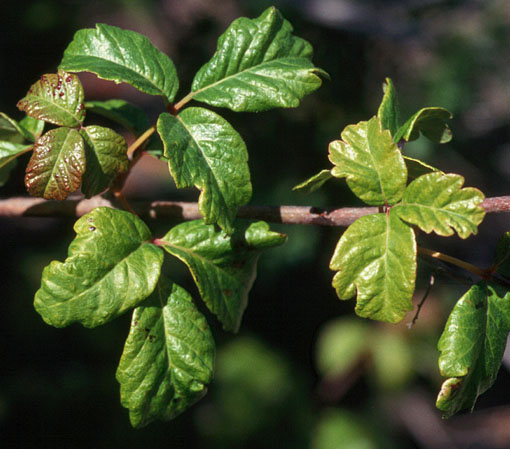
Poison oak can grow in several forms; in open sunlight as a dense shrub, or in shaded areas as a ground or climbing vine. The three leaflets have scalloped edges, resembling (slightly) the leaves of a true oak and can be bronze, bright green, yellow-green or reddish depending on the season. If you have inadvertently wandered into poison oak:

  • Remove your clothes as soon as possible
  • Wipe the suspect area with alcohol
  • Wash all exposed areas with cool running water. Use soap and water if possible … be sure to clean under fingernails
  • Wash clothing and all objects that came into contact with the plants
  • Bathe pets exposed to the plants.
2015Jul_03
Climbing Poison Oak in Spring
2015Jul_02
More Mesa Poison Oak in June
2015Jul_04
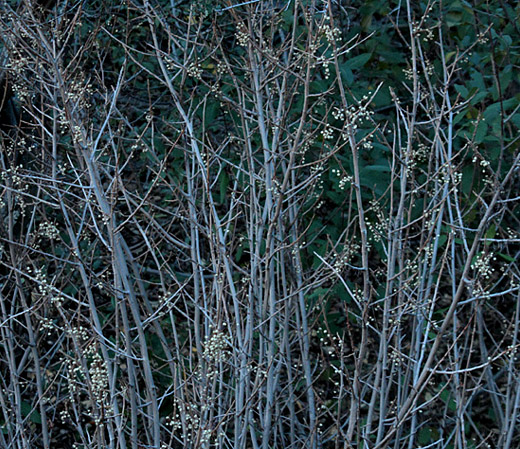
Poison Oak stems and fruit after the leaves have fallen
2015Jul_05
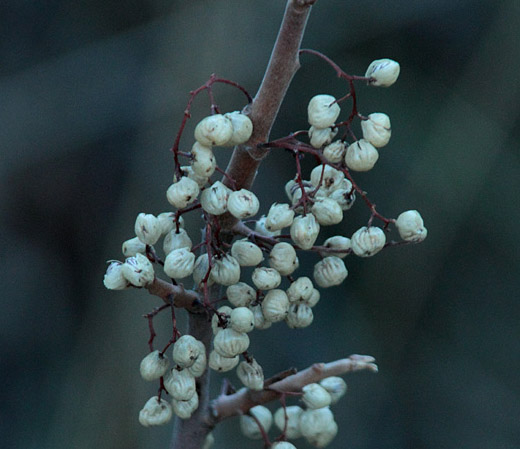
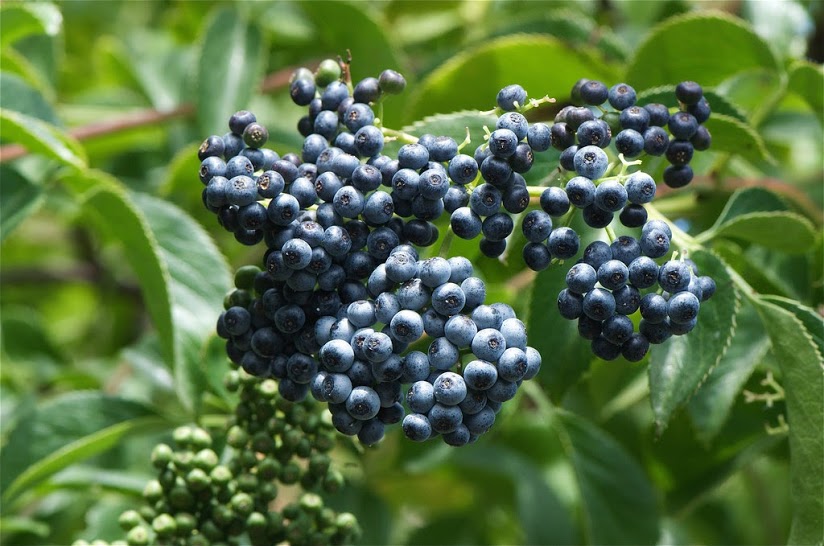
Poison Oak fruit

Similar Posts

  • February 2015

    Last month we reported on the beautiful greenery and grasses of More Mesa. This month we are pleased to present the next installment of emerging spring … flowers. A great many species are contributing to the show. And among all the introduced species (mustard, radish, Bermuda Buttercups, etc) there are some truly delightful natives popping…

  • | |

    Living With the Lockdown – Treasure Hunt #4

    A Flower That Blooms for a Single Day … oops a Single Night! The plant we are featuring in this hunt, commonly known as Datura, and in the Nightshade family, is unusual in many ways. First it has several names, among them: Devil’s Trumpet, Devil’s Weed and Jimson Weed*. And, unlike the Miner’s Lettuce and Willow of…

  • March 2015

    The White-tailed Kite, MMPC’s signature bird, is a “California Bird Species of Special Concern”. It has been given this designation because the White-tailed Kite was once at risk of disappearing, and is currently found in few places in California; one important area being the Goleta Valley. And within the Goleta Valley, More Mesa is one…

  • |

    Spring 2017

    Spring 2017 This Month on More Mesa … Spring Flowers: The big rains that finally came, while turning the grasses green, have not produced many wildflowers. The problem could be that the rains came too late in the season. However, careful scrutiny will reveal some Blue-eyed Grass … here and there … and some extremely…

  • December 2015

    2015 … The Year in Review The day we knew was coming, but wouldn’t welcome, arrived. In late July a group with the same members who circulated development plans for More Mesa three years ago, announced that they represented the Kalid Saud Al Shebaily Group (KSSG), owners of More Mesa. The new group’s opening salvo came…

  • June 2015

    Lots of Special Birds A wide area of More Mesa has been surveyed within the last few days. We are most happy to report that 34 different species were identified during this one survey. Among them were two raptors, a Peregrine Falcon and a Cooper’s Hawk. Also of very special interest were eight singing Grasshopper…