January 2015

And some rain came …

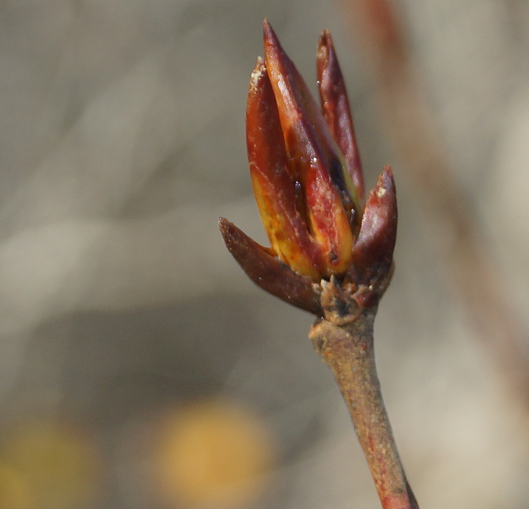
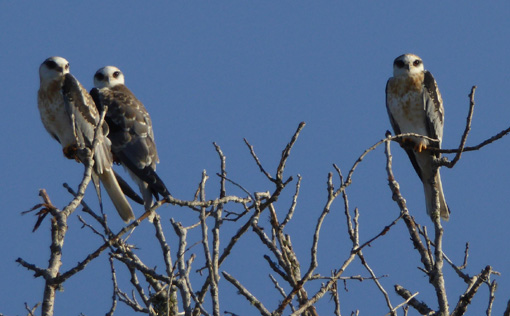
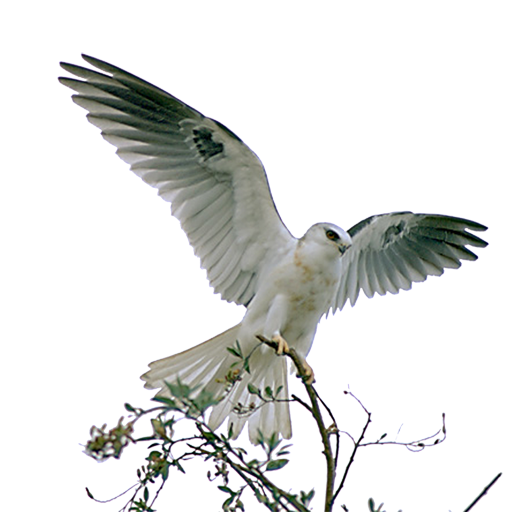
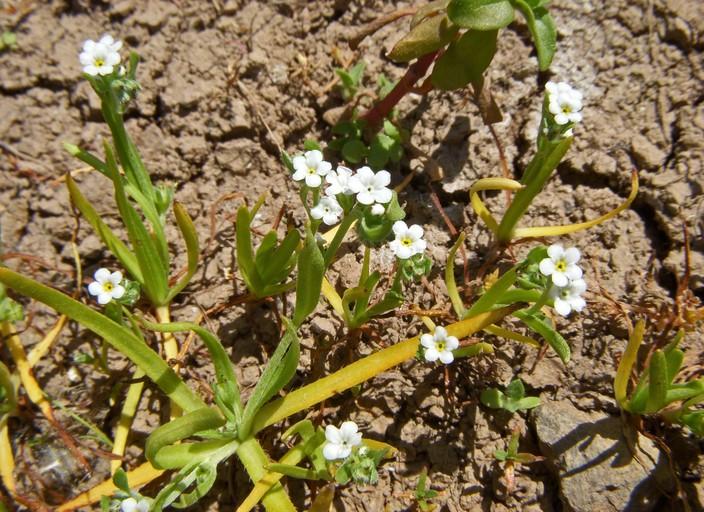
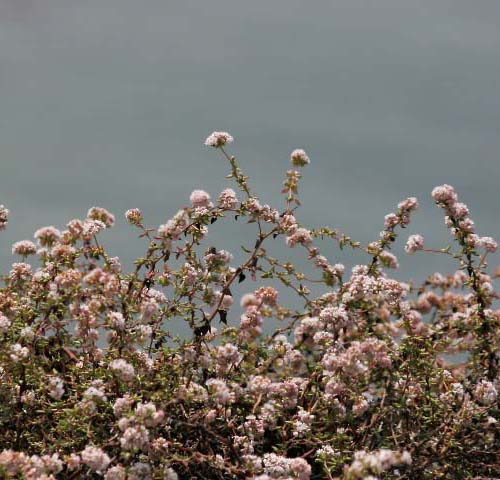
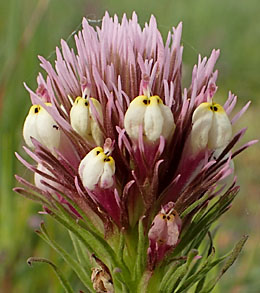
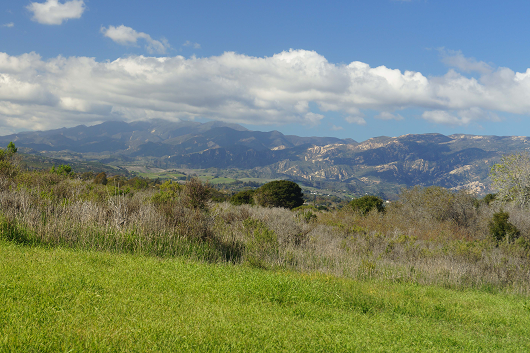
Santa Barbara joyously welcomed the 6.3 inches of rain we received in December. Unhappily these rains represent only 20% of the yearly average rainfall in Santa Barbara and a very small percentage of the amount needed to end our three-year long drought. That being said, the growing things on More Mesa were very appreciative of even this small relief. Grasses and flowers are making their appearance, Cottonwoods are getting ready to burst, Red Wing Blackbirds are calling, and we have even heard tree frogs “singing” in some areas. In short, it is very lovely out on More Mesa. Enjoy!

Happy New Year!

2015jan01

2015jan02

Similar Posts

  • October 2015

    White-tailed Kites Have the Last Word! In the March News of this website we reported that there was evidence of potential nesting for the White-tailed Kite. This was welcome news as our famous signature raptor, a bird that historically lives and breeds in profusion on More Mesa had not produced a single chick for at least three years….

  • | | |

    September 2011

    Stories of More Mesa Last month we shared one of our “Stories of More Mesa”; stories that tell the world what More Mesa means to the people who cherish it.  This month we present a second story, a different story, but the same theme. (If you, too, have a story you would like to share,…

  • August 2015

    LATE BREAKING NEWS ABOUT DEVELOPMENT … Well, the day we knew was coming, but wouldn’t welcome, has arrived. On Tuesday, Kenneth E. Marshall, President of the development consulting firm Dudek, notified the Santa Barbara Planning Commission that he represented the Kalid Saud Al Shebaily Group (KSSG), the owners of More Mesa. He is joined by Jack Theimer…

  • July 2016

    Why Collect Seeds Anyway? Last month we discussed the Coastal California Poppy and how the Cheadle Center for Biodiversity and Ecological Restoration (CCBER) collects seeds of this native plant on More Mesa. However, in addition to poppies, More Mesa is a very valuable source in the collection of many other important native plants. These include…

  • | | |

    December 2011

    As another fairly quiet year on More Mesa draws to a close, and as has been our custom, we offer highlights of 2011. Updated Biological Resources Study More than eighteen months after field work for the Updated Biological Resources Study was completed, a draft report was issued by Santa Barbara County. The 429 page report, prepared by…

  • |

    Spring 2017

    Spring 2017 This Month on More Mesa … Spring Flowers: The big rains that finally came, while turning the grasses green, have not produced many wildflowers. The problem could be that the rains came too late in the season. However, careful scrutiny will reveal some Blue-eyed Grass … here and there … and some extremely…