January 2011
Welcome to a New Year!
Draft of Updated Biological Resources Study: We have excellent news to report this month!
In late December, we received notice that the long awaited Draft of the Updated More Mesa Biological Resource Study has been issued by Santa Barbara County, and is now available on their web site:
http://www.sbcountyplanning.org/projects/07CNS-00116/index.cfm
Please note that the report, as presented, is a draft. That is, several lengthy additional procedural steps, as required by the Goleta Community Plan, must be taken to finalize the study. These involve public processes, in which the community as well as decision makers, will participate.
The More Mesa Preservation Coalition is reviewing the draft study and will provide input at appropriate times during the remainder of the process. A cursory scan of the 429 page report* seems to indicate that Rincon Consultants conclude More Mesa is just as environmentally sensitive as was reported in the original 1981 study by UCSB. In general they found:
- An equivalent assemblage of plants and plant species, except that Harding Grass (an invasive species) is more widespread and abundant.
- There are more bird species.
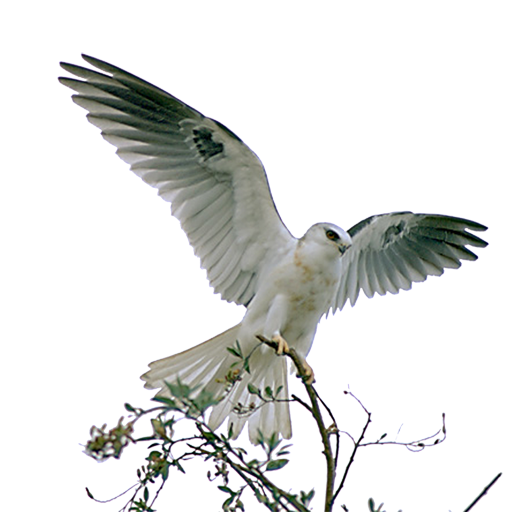
- Kite activity on More Mesa is more important than ever, especially from a regional perspective.
- Kite prey are abundant.
- Wetlands persist in the same areas as previously reported, and are more extensive.
The report appears thorough and has used more recent technology (such as GPS mapping) to evaluate the environmental sensitivity of More Mesa. However, additional analysis will be required to evaluate both land use issues, and development potential implications of these findings. From Rincon’s conclusions, it appears safe to say that More Mesa is as sensitive as ever … and, from that conclusion, we can draw renewed energy to achieve our vision … of preserving More Mesa in perpetuity!!
We are indebted to Alex Tuttle of the County Planning and Development Department for his professional handling of this sensitive project and the part he played in assuring the quality of the material presented in this draft.
As always, thanks for caring about this wonderful place and a very Happy New Year from all of us at the More Mesa Preservation Coalition!
* It may be possible to obtain a hard copy of the Updated Biological Resources Study of More Mesa. However, because of the size of the report and the large number of detailed foldout maps, the cost will be, understandably, quite high. We will be posting information on where to obtain such copies on the “Bio Report” section of this web site within a few weeks.
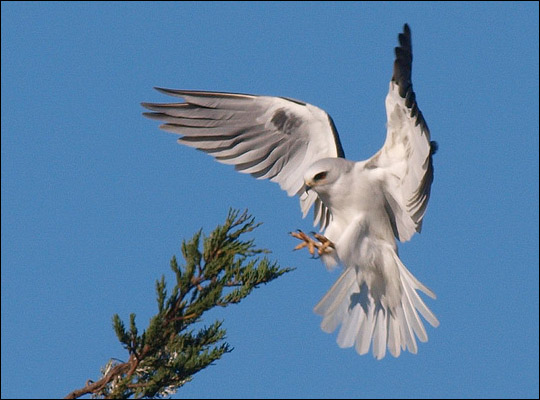
Thanks to Yuji Kosaki for the wonderful White-tailed Kite image above.