No one would dispute we are in very troubled times. But while we are “Sheltering in Place” we are definitely not “Under House Arrest”. So, if you are tired of fixating on the Ups (number of cases of the virus) and the Downs (the stock market), the More Mesa Preservation Coalition offers you … a Treasure Hunt.
Santa Barbara is a wondrous place to live, especially in Spring. And, with recent rains, we are having an absolutely beautiful bloom … one that should be seen. Add to this happy thought the consul that, for both mental and physical health, we should go outside. While we would love to encourage you to go to More Mesa, any number of public parks or pathways will do just as well. PLEASE MAKE SURE THAT YOU ARE 6 FEET AWAY FROM ANYONE ELSE … even though you may have to shout out “Look at this!” very loudly.
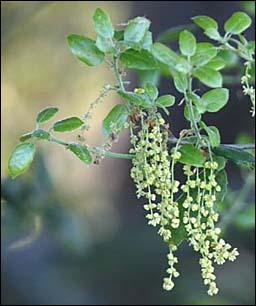
Today’s treasure is our incredible Coast Live Oak Trees that are currently in bloom. YES … in bloom. Oaks produce two types of flowers. First are the tiny yellow male flowers that cluster on long strands known as catkins. A catkin can contain 25-100 flowers and there can well be thousands of catkins in any given tree. The task of the male flower is to
Catkins
pollenate female flowers … preferably from another tree. Why does the tree produce so many male flowers? The answer is that pollination is done via wind power and not insects. Oaks are actually flowering plants; plants set apart from all others by a unique set of characteristics including their pollination technique and production of the acorn “fruit” that we see so many of in the fall.
While Coast Live Oak Trees can be found on the northern edge of More Mesa, they can also be seen on Ellwood Mesa, San Marcos Foothills Park, Hope Ranch and many public parks and bikeways throughout the Goleta Valley. Go find this first unique treasure!
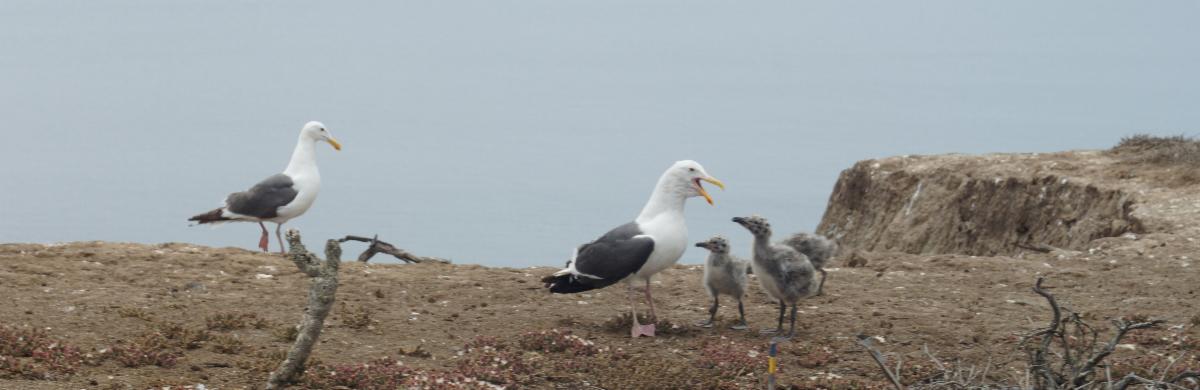
Prologue Our Treasure Hunts usually end with some suggestions on where a treasure might be found. However, in this hunt, it’s incredibly easy! Western Gulls are all over town … the harbor, the beaches, Costco, McDonalds and every other place where food scraps can be easily appropriated … not that Western Gulls should be eating…
Lizard … Bad Guy or Superhero? When I started this Treasure Hunt, I began by thinking about whether lizards, like snakes, conjure up negative images and feelings. After some research, I decided that the only reason I even thought about this issue was the expression “Lounge Lizard”; originally coined by the Flappers of the 1920s…
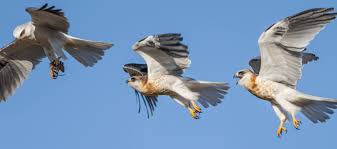
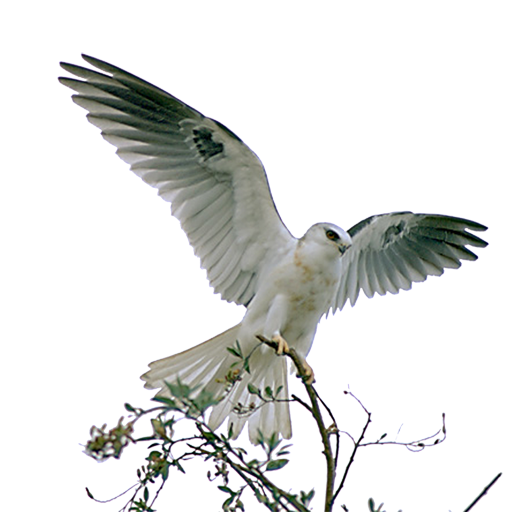
MMPC’s Signature Bird … You may have noticed that there was no hunting for treasures last month. We guessed that you all were busy enough with the dual tasks of keeping safe and the holidays. Instead, you received a version of our yearly holiday greeting; a beautiful photo of a White-tailed Kite wearing a Santa…
It’s Fall … Folks who don’t live in our beautiful Santa Barbara area often make a big issue of the fact that they love the changing seasons, and note that we don’t have them here. We all know we do, but the changes are subtle and you have look more closely to be aware of them….
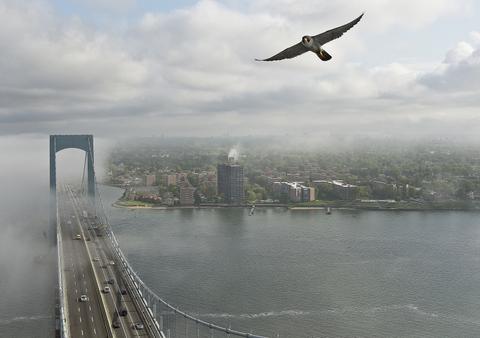
This Treasure is FAST: While internet searches may tell you that the Cheetah is the fastest animal on the planet, they are dead wrong. Today’s treasure can reach speeds faster than a moving Formula One race car. In fact, while in its spectacular dive, called a “stoop”, the Peregrine Falcon can reach speeds of up…
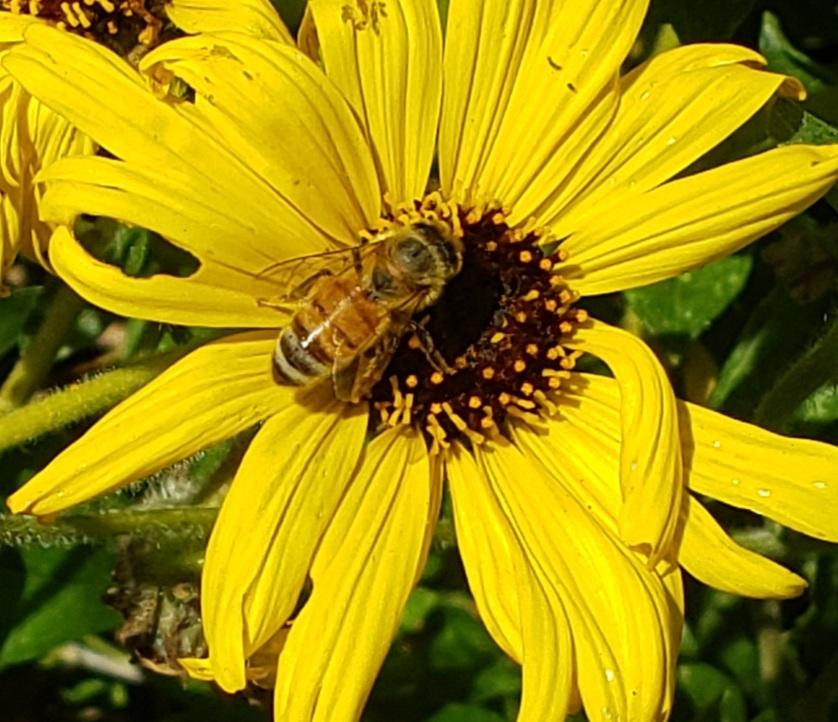
A Tiny, but Powerful Member of the Animal Kingdom Prologue: When I sat down to write this week’s Treasure Hunt I had planned to introduce one of my favorite and hard-working little plants, Deerweed. But as I got deeper into the research about certain aspects of Deerweed, I discovered a world of mind-boggling information on…