January 2016

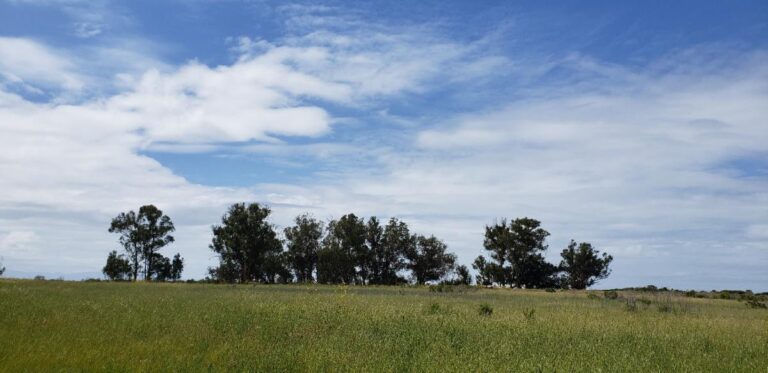
Our beautiful More Mesa looks bleak indeed! We need rain more than we have needed in almost 15 years! And, although we received a little rain exactly a year ago, the long awaited 2016 El Niño pattern shift has finally happened, to deliver rain for this season.

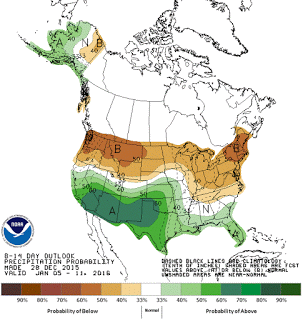
Recent predictions based on anomalous elevated equatorial sea surface temperatures in the Pacific Ocean, continue to predict an extremely strong El Niño, perhaps the strongest we have ever experienced. In addition, these same predictions contend that strong El Niño events tend to begin at the start of winter, and continue into the spring. NOAA’s latest three-month prediction is shown below.

Keep your fingers crossed and … Happy New Year!

[HTML1]
814prcp.new

EXPECTED SERIES OF STORMS IN THE NEXT WEEK
Similar Posts

  • April 2007

    Spring has come to More Mesa.  Kites on the east side are nesting and we are expecting chicks soon.  Many hawks are also nesting on, and around, More Mesa. And although the Northern Harrier was seen on More Mesa on April 10, it should be leaving in the near future for its breeding territory. While…

  • June 2005

    So far, we are aware of at least eight fledged chicks from the first broods of More Mesa’s kites. Since kites often have two clutches a year, this early count is an extremely heartening number. Last year, the total count, for the whole breeding period, for all four mated pairs, was ten. This early news…

  • August 2009

    Bio Study Report We are still awaiting release of the draft report on the year long Updated Biological Resources Study of More Mesa.  Field work was completed in the early summer and the report is expected to be out within the next month or so. Another Award for the More Mesa Handbook MMPC is both…

  • September 2014

    California is in a state of “Extreme Drought”, with 2014 being the driest year since 1895, 119 years ago! But, in spite of this disastrous condition, one can still observe some native wildflowers in bloom on More Mesa. For example, Deerweed, which normally blooms from March to October, has been in flower constantly for more than a year. Heavily…

  • March 2008

    In previous monthly news updates we have written of the Biological Resources Study Update that has been requested from the County by the owner of More Mesa.  In this month’s news we will describe what we know about the process and ensuing actions that may, or may not, be undertaken by the owner subsequent to…

  • |

    August 2016

    A Tiny Bright Light In a world dominated by talk of drought, we offer a tiny bright spot … about a lovely native plant; Seacliff Buckwheat. While almost all of our More Mesa native wildflowers bloom in spring, this cliff and dune dwelling plant flowers in the middle of summer, providing nectar to many butterflies and insects….